

Fluid analysis can detect equipment failures in progress and point you straight to the root cause of problems,enabling you to prevent catastrophic shutdowns and costly losses in production. The two biggest enemies for any industrial application are wear and contamination. Base sampling frequency on the equipment’s criticality to production as well as the environmental conditions under which it is forced to operate. The fact that a component’s failure could shut down an entire line of production is worth far more consideration than replacement value alone.
Below are the recommended tests for equipment and components in the Industrial industry. Other test-packages or variations of these are available; but these recommended options are designed as best-fit for improved equipment and lubrication reliability.
To request a quote or if you’re looking for custom options, contact us.
Diesel Engine
Monitor wear, contamination and fuel dilution in engine oil to prevent damage and extend operating life.
- Base Number (BN)
mod. ASTM D4739 - Elemental Analysis by ICP
mod. ASTM D5185 - Fuel Dilution %
ASTM D7593 - Oxidation & Nitration
ASTM E2412 - Soot %
ASTM E2412 - Viscosity at 100°C
ASTM D2270 - Water by Crackle
Internal Method
Hydraulics
Identify particle contamination, wear and fluid degradation to ensure system performance, protect components and reduce unplanned downtime.
- Acid Number (AN)
mod. ASTM D664 - Elemental Analysis by ICP
mod. ASTM D5185 - Oxidation & Nitration
ASTM E2412 - Particle Count
ASTM D7647 ISO 4406 - Viscosity at 40oC
mod. ASTM D445 - Water by Karl Fischer ppm
mod. ASTM D6304
Gearboxes
Identify wear metals, lubrication degradation and contamination to protect gears, maintain load capacity and extend equipment life.
- Acid Number (AN)
mod. ASTM D664 - Elemental Analysis by ICP
mod. ASTM D5185 - Ferrous Debris (FerroQ)
ASTM D8120 - Oxidation & Nitration
ASTM E2412 - Particle Count
ASTM D7647 ISO 4406 - Viscosity at 40oC
mod. ASTM D445 - Water by Karl Fischer ppm
mod. ASTM D6304
Air Compressor
Detect contamination, lubricant breakdown and wear to maintain air quality, improve efficiency and extend compressor life.
- Acid Number (AN)
mod. ASTM D664 - Elemental Analysis by ICP
mod. ASTM D5185 - Oxidation & Nitration
ASTM E2412 - Particle Count
ASTM D7647 ISO 4406 - Viscosity at 40oC
mod. ASTM D445 - Water by Karl Fischer ppm
mod. ASTM D6304
Refrigeration Compressor
Monitor lubricant condition, contamination and system wear to ensure cooling efficiency, protect components and prevent system failures.
- Acid Number (AN)
mod. ASTM D664 - Elemental Analysis by ICP
mod. ASTM D5185 - Ferrous Debris (FerroQ)
ASTM D8120 - Viscosity at 40oC
mod. ASTM D445 - Water by Karl Fischer ppm
mod. ASTM D6304
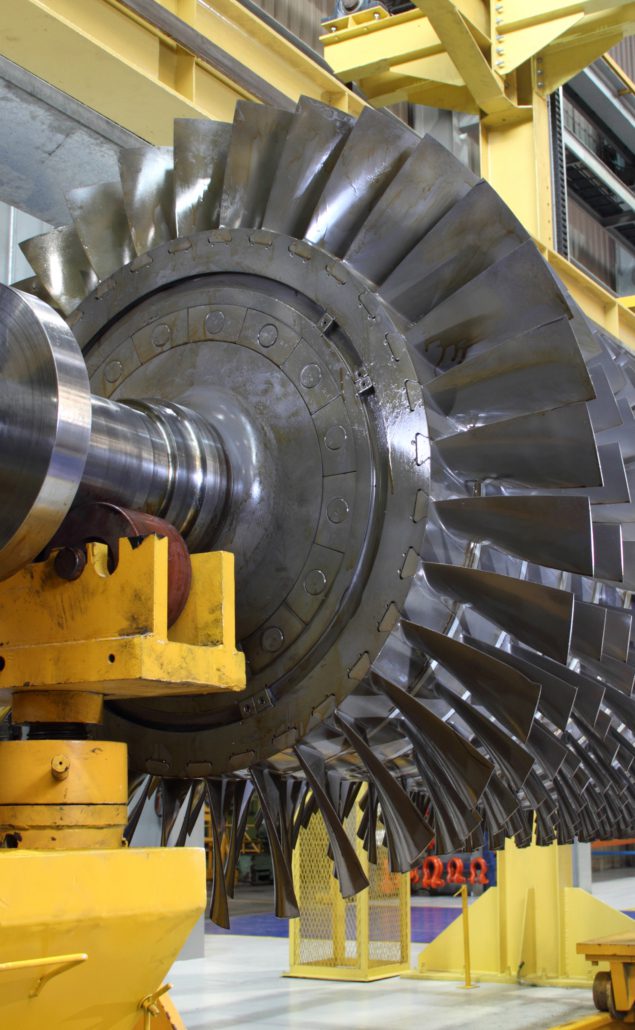
Turbine
Provide a comprehensive evaluation of fluid condition, contamination, varnish potential and wear to protect critical turbine components and ensure reliable, long-term operation.
- Air Release
ASTM D3427 - Acid Number (AN)
mod. ASTM D664 - Elemental Analysis by ICP
mod. ASTM D5185 - Foaming Tendency
ASTM D892 - LSV (RULER)
ASTM D6971 - MPC (Membrane Patch Colorimetry) Varnish
ASTM D7843 - Oxidation & Nitration
ASTM E2412 - Particle Count
ASTM D7647 ISO 4406 - Viscosity at 40oC
mod. ASTM D445 - Water by Karl Fischer ppm
mod. ASTM D6304 - Water Separability
ASTM D1401
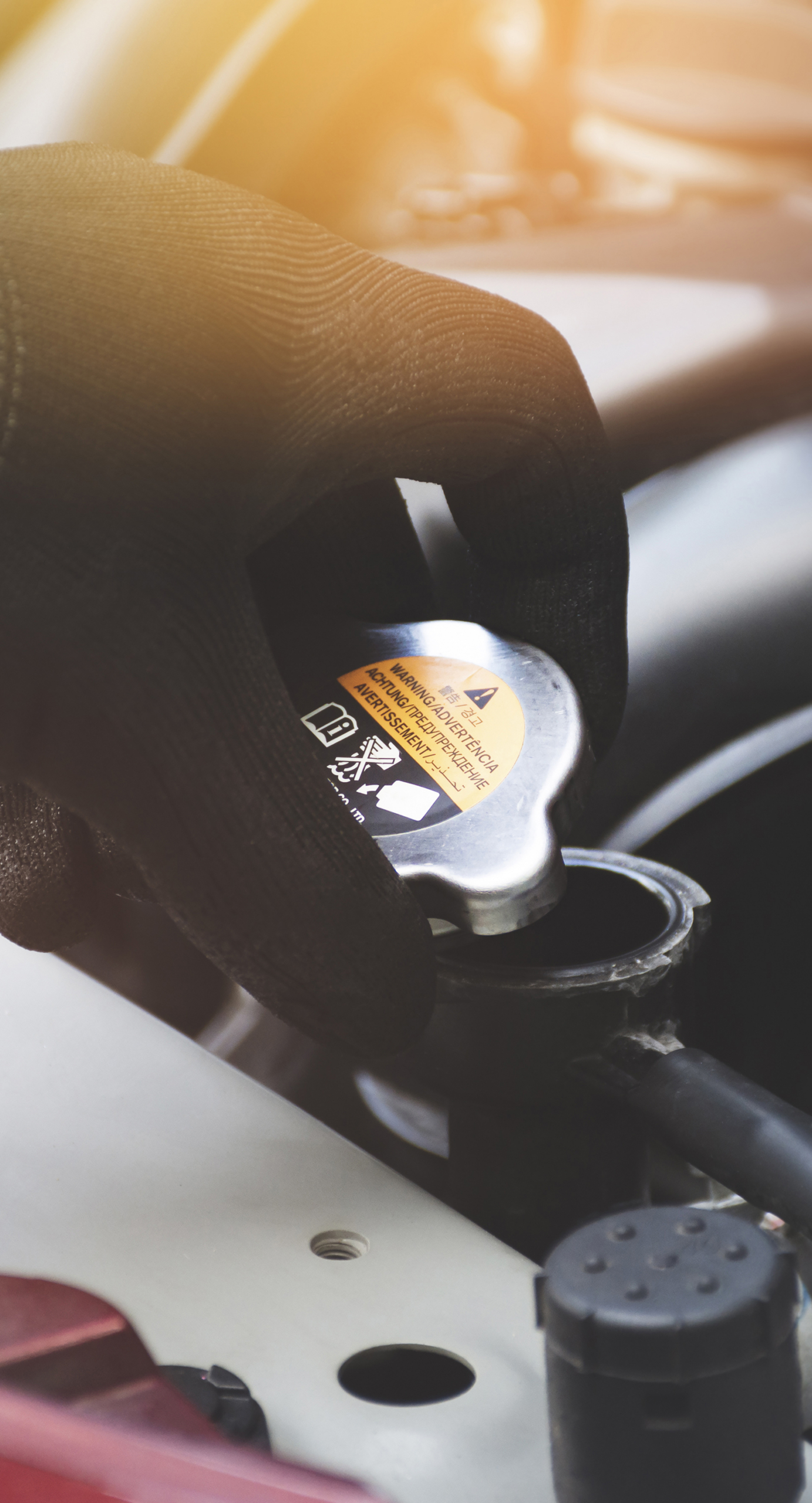
Cooling Systems
Checks corrosion protection, contamination and inhibitor health to prevent overheating and system damage.
- Boil Point
- Carboxylic Acid Pass/Fail
(Shell, Chevron or Cat ELC only) - Contaminants (Chloride and Sulfate)
- Corrosion, Contaminant and Inhibitor metals (Iron, Copper, Aluminum, Lead, Tin, Zinc, Silver, Calcium, Magnesium, Silicon, Phosphate, Boron, Molybdenum, Sodium, Potassium)
- Degradation Acids (Glycolate, Formate, Acetate and Oxalate)
- ELC Basic Coolant analysis additive (Benzoate, 2-Ethylhexanoic acid, Sebacic acid, Octanoic acid, p-Toluic, MBT, TT Z, BZT)
- Freeze Point
- Glycol
- Inhibitors (Nitrite and Nitrate)
- Nitrite
- pH
- SCA#
- Specific Conductance
- Total Dissolved Solids (TDS)
- Total Hardness
- Visual (color, oil and/or fuel contamination, foam magnetic/non-magnetic precipitation and odor)
Diesel Fuel
Detect contamination, water and fuel degradation that can reduce combustion efficiency, damage injection systems and lead to poor engine performance.
- API Gravity
ASTM D7777 - Bacteria, Fungi and Mold
Manufacturer - Cetane Index
ASTM D976 - Cloud Point
ASTM D7689 - Elemental Analysis by ICP
mod. ASTM D5185 - Flash Point
ASTM D3828 - Micro-Distillation
Predicted D86 results by ASTM D7689 - Pour Point
ASTM D7346 - Sulfur
ASTM D7220 - Thermal Stability
mod. ASTM D6468 - Viscosity
ASTM D445 - Water & Sediment
ASTM D2709

Industry Sample Trends and Intervals
| Component Type | Recommended Sampling Interval |
|---|---|
| Rotary Screw Compressor | For PAG oils, every 2,000 hrs All other lubricant types, 1,000 hrs |
| Gear Box / Gear System | 45 days or 500 hrs |
| Hydraulic | 60 days or 750 hrs |
-
All critical equipment should be sampled at least once every 30 days to ensure proper functionality, maintain compliance with operational standards, and identify potential issues before they affect performance.
-
Equipment requiring compliance with ISO 4406 recommendations should be sampled at least once every 30 days to properly monitor fluid cleanliness levels and maintain adherence to the standard.
-
OEM recommendations should be followed to maintain warranty coverage and ensure equipment operates within the manufacturer’s specified performance standards.
-
Company policies and applicable EPA requirements should be reviewed when complying with the EPA’s National Emissions Standards for Hazardous Air Pollutants (NESHAP) Subpart ZZZZ (Quad Z) to ensure all operational, reporting, and maintenance obligations are met.
DOWNLOAD OUR COMPLETE
TESTING LIST

Ready to Start Achieving Optimum
Equipment Reliability with Fluid Analysis?


Corporate Headquarters
7451 Winton Drive
Indianapolis, IN 46268
+1.317.808.3750
Mon 7:30am thru Fri 7pm. ET


