Strengthening Fluid Analysis Through ASTM Engagement
Highlights from the ASTM D02 Committee Meeting

POLARIS Laboratories® recently participated in the ASTM International Committee D02 meeting on Petroleum Products, Liquid Fuels, and Lubricants in Houston, Texas December 7-11, 2025. Our technical team attended multiple subcommittee sessions focused on petroleum test methods and condition monitoring.

As a laboratory organization that performs a broad range of ASTM methods daily, active participation in ASTM is essential. Engagement at this level ensures our testing practices remain aligned with evolving standards while reinforcing our commitment to accuracy and consistency for our customers.

Key Technical Discussions Across D02

Several working groups met throughout the week, covering both established and emerging test methods related to titration, elemental analysis and water separation.

Within the titration group, discussions included methods outside POLARIS Laboratories’ primary scope of offered testing, but a key takeaway was confirmation that titration electrodes typically have a lifespan of three to six months—highlighting the importance of proactive instrument maintenance to preserve data quality.

The elemental analysis group focused largely on the development of an ICP-MS method for gasoline testing. No changes were proposed to elemental methods currently used in POLARIS Laboratories®.

In the turbine subcommittee, members reviewed a proposed automated Water Separation test method. Discussion centered on resolving negative ballot comments and ensuring the method’s reliability before broader adoption.

Condition Monitoring Focus: Subcommittee D02.96

Subcommittee D02.96, dedicated to condition monitoring and in-service fluid analysis, provided the most relevant updates for our laboratories and reliability-focused programs.

One major topic was a new solvent-less viscometer method. The committee is actively addressing technical challenges in the current draft to improve clarity and repeatability across laboratories.

Proficiency testing results were also reviewed, reinforcing the role of interlaboratory data in validating method performance and identifying areas for improvement.

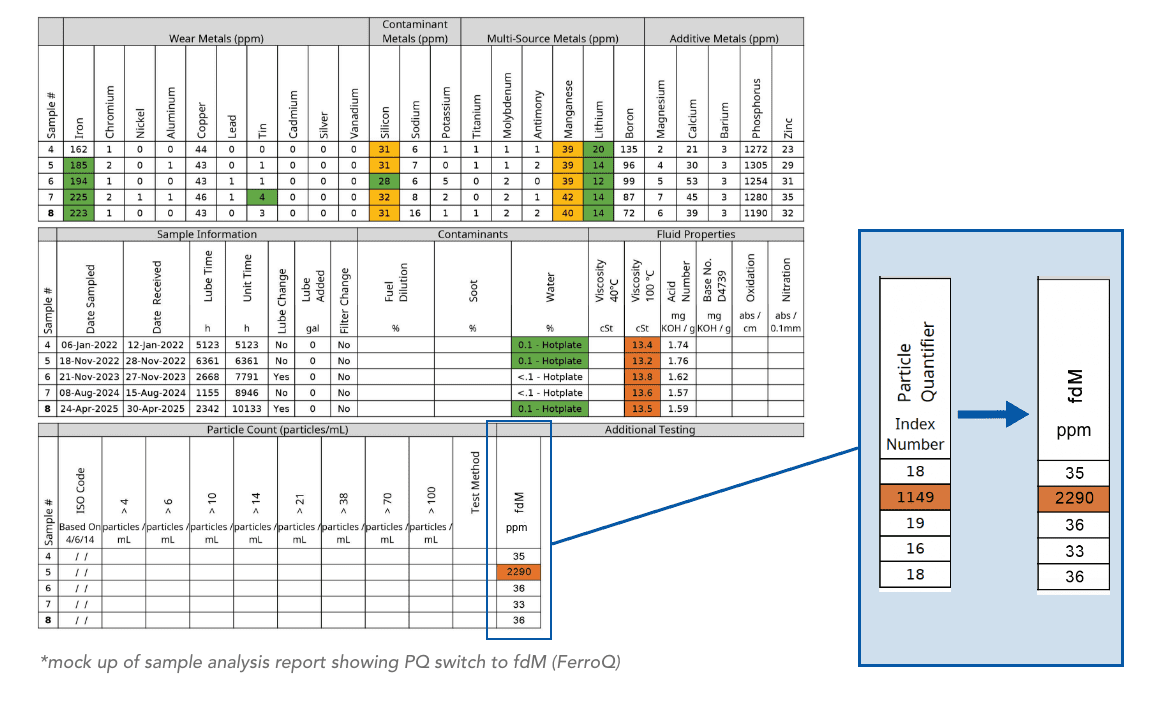
The committee discussed the potential withdrawal of the Particle Quantifier (PQ) method due to the need for an updated interlaboratory study. This discussion aligns with broader industry movement toward more quantitative and repeatable ferrous debris measurement techniques. POLARIS Laboratories® switched from PQ to FerroQ in September of this year, check out the blog here: Detect Equipment Wear Sooner with Ferrous Debris Analysis.

Advances in FTIR and Analytical Methods

The group reviewed preliminary precision statements for new FTIR methods designed to detect water and glycol contamination. As expected, variations in lubricant formulations limit the effectiveness of a single calibration model. However, trending absorbance data was confirmed as a reliable and effective approach for condition monitoring applications.

In addition, the committee reviewed upcoming interlaboratory studies aimed at establishing repeatability and reproducibility for dilution-based particle counting, fuel dilution testing, and headspace glycol analysis by gas chromatography.

Our Commitment to Standards and Continuous Improvement

POLARIS Laboratories®’ continued involvement in ASTM D02 reflects our commitment to advancing fluid analysis standards and supporting smarter, data-driven maintenance decisions. Participating in method development, proficiency testing review, and interlaboratory studies ensures our laboratories remain current, consistent, and aligned with best practices.

Through active ASTM engagement, we continue to invest in education, collaboration, and innovation; strengthening our testing capabilities and delivering reliable results that support equipment reliability.

Published December 23, 2025
Seeing the Unseen: Advancing Microscope Wear Analysis

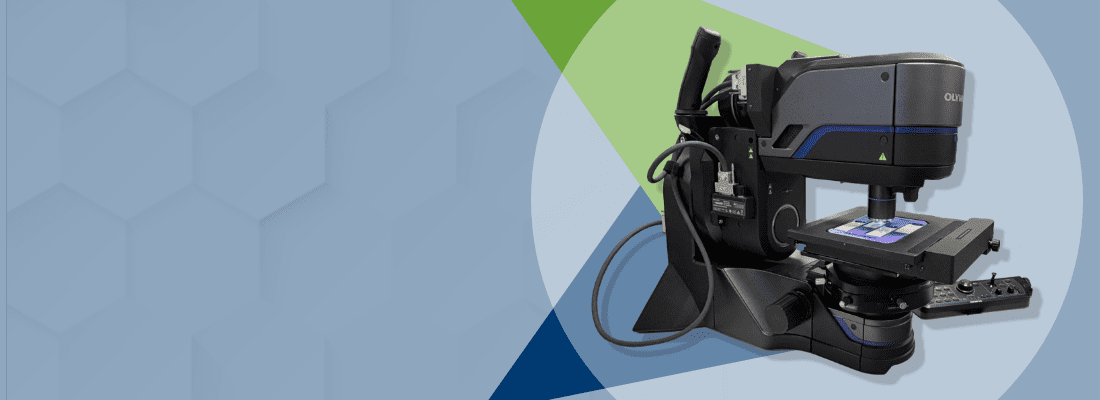
At POLARIS Laboratories®, precision and innovation drive everything we do, especially when it comes to helping customers understand what’s happening inside their equipment. We’ve recently expanded our analysis capabilities with the addition of the Olympus DSX1000 Digital Microscope, a powerful tool that enhances our ability to detect, analyze, and document wear debris consistently across all our global laboratories – something you won’t get with other laboratories.

Elevating Microscopic Analysis Capabilities

The Olympus DSX1000 delivers unmatched magnification, clarity, and automation, allowing our data analysts and reliability experts to visualize the smallest wear particles with extraordinary detail. With up to 9,637x magnification, this technology captures what traditional microscopes can miss and gives customers a more complete picture of component wear and overall fluid cleanliness.

The advanced microscope allows for consistent, high-resolution imaging across every sample we test and analyze. This automation not only speeds up analysis time but also ensures repeatability and accuracy, both critical factors when trending wear patterns or investigating abnormal test results.

Connected Technology & Global Consistency

Thanks to its PRECiV unified imaging software, the DSX1000 seamlessly connects every POLARIS Laboratories® location worldwide. Samples can be scanned with the microscope at our headquarters laboratory in Indianapolis and reviewed and interpreted by reliability analysts at any of our seven global laboratories. This feature enables remote collaboration, faster training, and a consistent interpretation of results across the globe.

This connectivity also supports global standardization in testing methods like Analytical Ferrography, Micropatch, and Photomicrograph Analysis. Customers benefit from the same advanced imaging, precision, and reliability, no matter which lab processes their samples.

Beyond the Numbers: Telling the Story

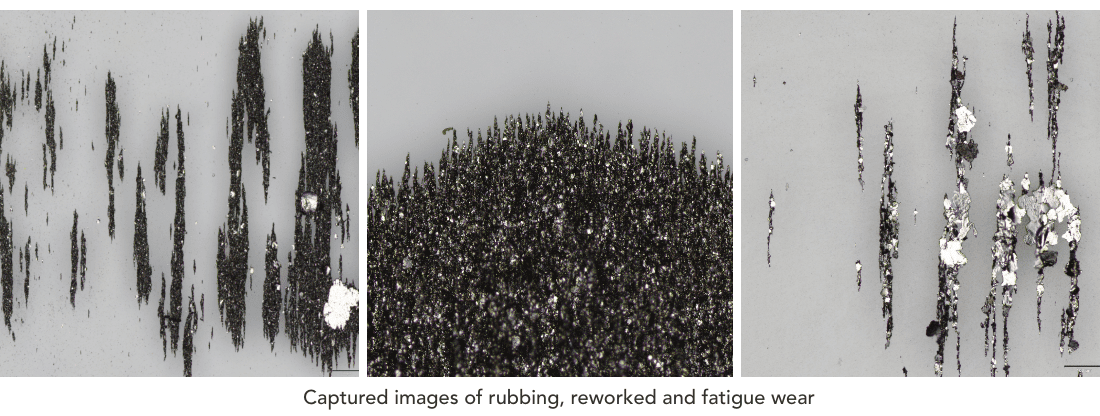
While fluid analysis provides the data, microscopic analysis tells the story. The DSX1000’s multiple observation modes, like Brightfield, Oblique, Darkfield, Mixed, and Polarization, help analysts reviewing the images distinguish between particle types, identify ferrous wear, and investigate sources and failure modes. This level of detail allows for more accurate root cause analysis (RCA), helping customers make confident maintenance decisions based on clear, visual evidence.

The result? Earlier detection of wear, more reliable diagnostics, and greater confidence in making critical decisions.

Raising the Bar for Reliability

By integrating this advanced microscope technology into our global operations, POLARIS Laboratories® continues to lead the industry in delivering data you can trust and insights you can act on. The DSX1000 doesn’t just enhance our testing capabilities, it strengthens the connection between the laboratory and your maintenance team, helping you protect assets, extend component life, and improve overall equipment reliability.

Published November 13, 2025

Detect Equipment Wear Sooner with Ferrous Debris Analysis

In the world of heavy-duty equipment, small issues can quickly become big problems. A worn bearing or damaged gear doesn’t just cause mechanical headaches , it can lead to costly downtime, safety risks, and unexpected repairs. That’s why early detection of wear is one of the most valuable tools in any maintenance strategy.

One of the most effective ways to spot wear early is through ferrous debris analysis. This is a key part of fluid testing that helps you understand what’s happening inside your equipment long before performance declines.

What is Ferrous Debris?

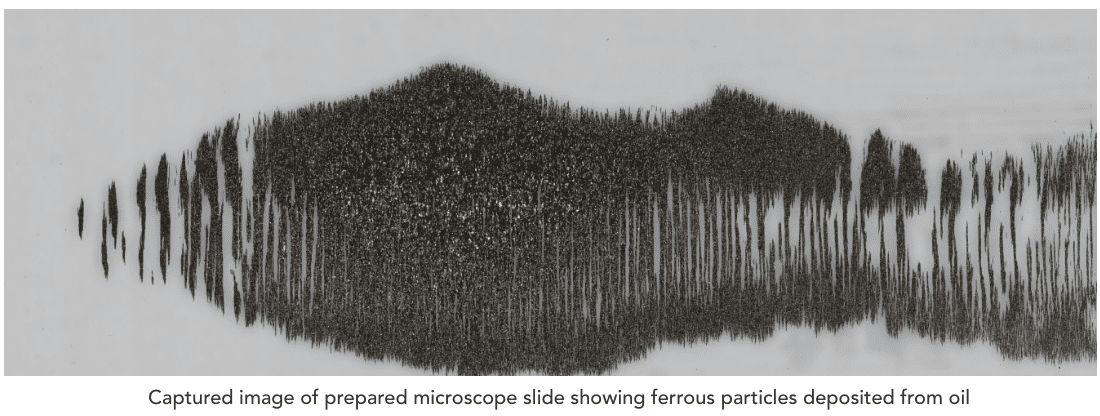
Ferrous debris refers to the tiny metal particles (typically iron and steel) that are generated when internal components begin to wear. These particles are carried in the lubricant and can tell a detailed story about what’s happening inside an engine, gearbox, or hydraulic system.

While some wear is normal, a sharp increase in ferrous debris is often one of the first signs that something is going wrong. Identifying these particles early helps maintenance teams take corrective action before the wear turns into failure.

Why Testing Matters

Routine oil analysis provides an overview of fluid health and contamination, but ferrous debris testing focuses specifically on wear; the earliest and most direct indicator of mechanical distress. By trending ferrous data over time, maintenance professionals can spot abnormal wear patterns and schedule repairs before they become emergencies.

The Next Generation of Wear Detection: FerroQ

Traditionally, laboratories have used Particle Quantifier (PQ) testing to measure the amount of ferrous material in a lubricant sample. While effective, PQ testing can have limitations when dealing with complex samples or heavy contamination.

That’s why POLARIS Laboratories® has implemented the FerroQ method across all laboratory locations. FerroQ is an advanced approach to ferrous debris analysis that delivers more accurate, consistent, and repeatable results — giving you a clearer picture of equipment condition. Learn more about the switch here.

With FerroQ, you get:

  • Improved precision for detecting even small changes in wear levels

  • Faster, more reliable trending for better long-term insight

  • Consistent results across all POLARIS Laboratories® locations

This consistency ensures that wherever you send your samples, you’ll receive the same high-quality data, making it easier to monitor trends and take action with confidence.

Turning Insight into Action

Ferrous debris analysis doesn’t just measure metal content — it helps identify the type of wear occurring. When combined with techniques like Analytical Ferrography, maintenance teams can determine whether particles are from normal rubbing, cutting wear, or fatigue failure.

This level of insight allows you to move from reactive maintenance to a truly proactive, data-driven approach — extending equipment life, improving reliability, and maximizing return on investment.

The Bottom Line

When every hour of uptime matters, early detection makes all the difference. With advanced ferrous debris testing like FerroQ, you can identify wear before it becomes damage — keeping your equipment running stronger, longer.

Ready to detect wear sooner? Contact us today!

Published October 24, 2025

Get More from Your Lubricants: How Oil Analysis Can Optimize Drain Intervals

In today’s market, lubricant supply challenges are pushing maintenance teams to rethink how they manage oil drain intervals. From additive shortages and rising demand to logistical delays, getting the lubricant you need when you need it isn’t as easy as it used to be.

How can you get the most of the lubricants?

The answer lies in oil analysis.

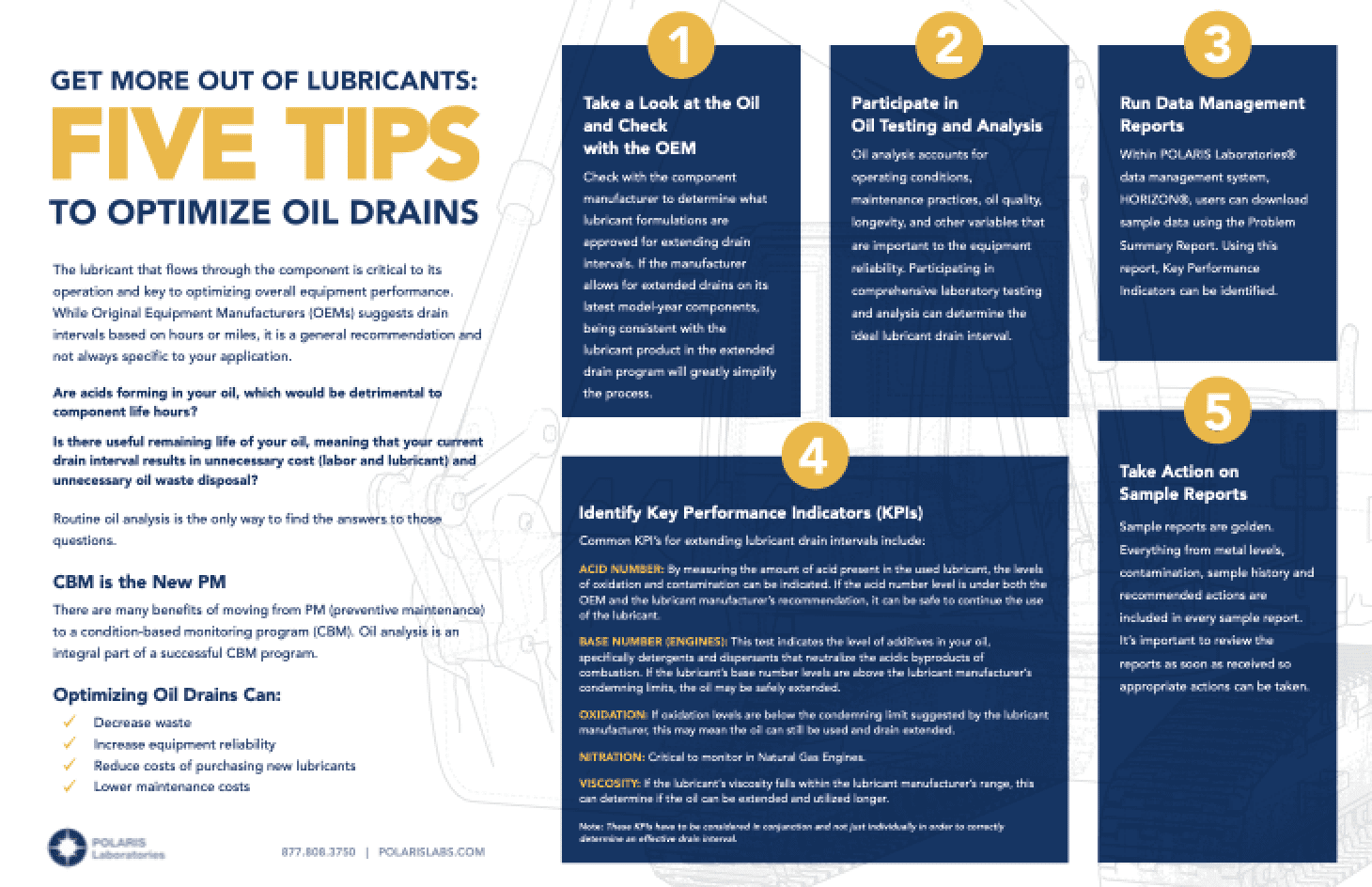
Routine oil analysis is a powerful tool for extending and optimizing drain intervals without risking equipment reliability. Instead of relying solely on preventive maintenance (PM) schedules or disposing of used oil without checking its remaining life, consider switching to a condition-based monitoring (CBM) strategy. With CBM, sample results guide your maintenance actions, allowing you to safely push drain intervals further while monitoring for wear, contamination and fluid health.

Lubricants can often be safely used beyond OEM-recommended intervals, but only when supported by testing and analysis. A routine fluid analysis program evaluates the oil’s physical properties, identifies signs of wear and determines if the fluid can still perform effectively. POLARIS Laboratories® offers customers an Extended Drain Comments Program where our team of support analysts help you determine how to reach optimal lubricant usage.

At a time when it’s needed the most, oil analysis can reduce costs, minimize waste and lower maintenance spend.

For more insight into optimizing drain intervals and getting more from your lubricants, check out this infographic:

Contact your Account Manager or Customer Experience (service@eoilreports.com) to learn more about participating in the Extended Drains Program at POLARIS Laboratories®.

Coming Soon: Ferrous Debris Analysis with FerroQ

Out with PQ, in with FerroQ.

Starting September 11, 2025, POLARIS Laboratories® will transition all of our laboratory facilities from the PQ™ (Particle Quantifier) test method to the more advanced FerroQ™ instrument for ferrous debris analysis. This upgrade applies to both oil and grease sample testing and marks a significant improvement in how wear-related ferrous debris is measured, interpreted and reported.

To learn more about different types of wear, ferrous debris and tests performed to measure it, watch the webinar Ferrous Debris 101: What Your Lubricant is Telling You:

Enhanced Ferrous Debris Analysis with FerroQ

Instead of results reported in PQ Index (a unitless number), results will be reported in parts per million (ppm) on analysis reports delivered to customers. This change delivers greater accuracy, improved trendability and more reliable data for identifying wear and making informed maintenance decisions.

Why the change?

The FerroQ™ method provides a clearer, more quantifiable picture of ferrous contamination, making it easier to detect early-stage wear and better predict component failure. It also enhances consistency across sample reports and allows for easier integration with maintenance data systems.

For more technical information related to ferrous debris, testing limitations and particle debris measurement, read the blog Assessing Methods to Analyze Particles: PQ vs FerroQ or view the Technical Bulletin PQ vs FerroQ.

As your fluid analysis laboratory and reliability partner, our goal is to help you make smarter data-driven decisions based on the most reliable results and the FerroQ™ is the next step forward. Customers can expect to receive additional communication when the change goes into effect in the coming months.

If you have any questions, please contact service@eoilreports.com.

Catch Pesky Particle Contamination

Did you know 80% of failures in hydraulic systems can be traced back to contamination? Particle contamination is the most common, most detrimental type of contamination, can come from many different sources and can include dirt, metal, soot and rust.

How do these pesky particles enter your system?

Sources contributing to particle contamination can include:

  • Lubricant additives
  • Sample bottle cleanliness
  • Poor oil sampling procedures
  • Air entrainment
  • Use of improper reservoir covers
  • Transport, distribution and transferring of new lubricants

Due to the wide range of potential sources and cause of particle contamination, it’s important to identify it before it can cause issues including:

  • Increased wear and tear on bearings, gears and seals
  • Lubricant degradation
  • Clogged filters causing fluid flow restriction
  • Pitting, scoring or cracking in critical components
  • System malfunction (jammed valves and surface erosion)
  • Overheating

Performing Particle Count Testing 

If you have pesky particle contaminates within your system, chances are standard testing with Inductively Coupled Plasma (ICP) won’t catch the real problem. ICP can only fully analyze a particle at approximately 10 µm in diameter and gives no indication of the morphology or distribution of the particles.

Particle count is one of the best available tools for measuring system cleanliness. This test is suitable for most (but not all) fluid types and systems and can count particles as small as ≥ 4 µm and can lead maintenance professionals to identify the source of the contamination and assess the damage that has occurred to the component.

Evaluating the use case, objectives, and system type are key to determining whether particle count and other tests may provide the most valuable data. Particle count is crucial to maintaining the performance and longevity of sensitive components with small clearances.

It is recommended to perform particle count testing to determine the number and size of particles in these components:

  • Hydraulics
  • Compressors
  • Turbines
  • Circulating systems
  • Automatic transmissions
  • Natural gas engines
  • Robotics
  • Injection molding machines
  • Bearing and gear systems

Should you be performing Particle Count to address system contamination? View the HORIZON Technical Bulletin Particle Count: When to Use it and Why

Explore different test methods for counting particles in the HORIZON Technical Bulletin Particle Count Test Techniques

Ready to improve system cleanliness and address those pesky particles?

Contact your Account Manager or Customer Experience at service@eoilreports.com or call +1 317-808-3750.

Published January 7, 2025

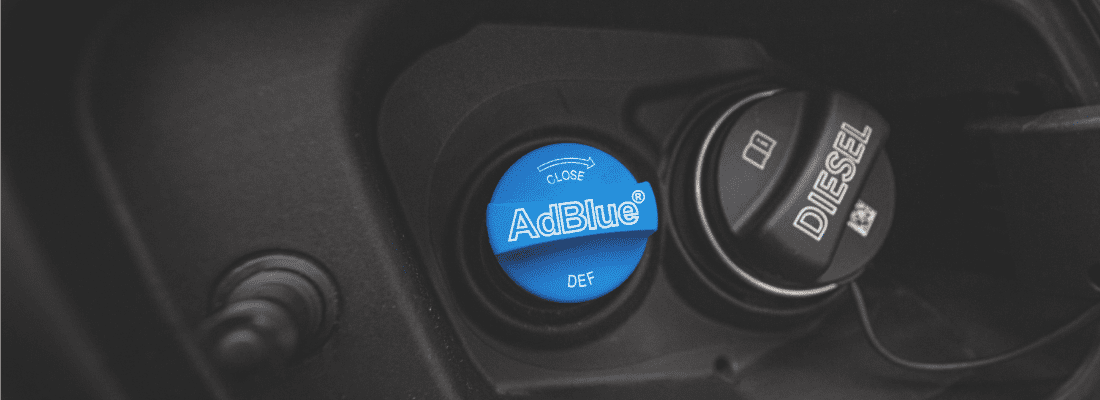
Diesel Exhaust Fluid (DEF) Testing is Now Available

POLARIS Laboratories® is excited to offer our customers testing and analysis for Diesel Exhaust Fluid (DEF).

DEF, also known as AUS 32 and marketed as AdBlue, is a water and urea mixture that is non-toxic, colorless and non-flammable. The aqueous urea solution is comprised of 32.5% urea and 67.5% deionized water.

Testing for DEF will include:

  • Elemental analysis
  • Visual examination
  • % Urea
  • pH
  • Specific Conductance

Because DEF manufacturers perform specification testing following the ISO 22241 guidelines, POLARIS Laboratories® will not provide this testing.

Testing your DEF can identify concerns of contamination that can result in a decrease in engine performance capabilities. The above tests will provide a comprehensive check for contamination within the DEF in-service fluid. Including comprehensive testing will provide awareness and indicate actions required to maintain the engines’ proper performance.

As DEF is consumed by the engine, the fluid in the tank on the equipment will eventually be depleted and new fluid will be added. Addressing identified contamination concerns early will avoid potential future issues in the system.

Reach out to our team today to add DEF testing to your fluid analysis program.

Assessing Methods to Analyze Particles: PQ vs FerroQ

What is Ferrous Debris?

The metallic fragments that linger onto lubrication oil are referred to as Ferrous Debris and have always posed an obstacle for condition monitoring laboratories or end-user facilities. Historically, there has always been challenges with spectroscopic methods not fully analyzing the ferrous debris load lower than about 10µm in diameter.

Credit to the Swansea Tribology Centre, the PQ has globally been an essential component of oil condition monitoring programs since 1985 to combat the full analyzation limitations. The PQ is a sensitive magnetometer that measures the influence on a magnetic field and provides a quantitative result of the ferrous wear in a sample. This result can be trended with acceptable linearity over a wide range of ferrous debris concentrations and particle sizes.

Limitations and Solutions of PQ

PQ comes with certain limitations that can disrupt the process of receiving accurate measurements for Ferrous Debris amounts. These limitations include bottle measurements only analyzing around the bottom centimeter or standards not being available from the manufacturer, thus not NIST traceable. Additionally, there is the issue that the result are unitless due to the PQ Index referring to a dimensionless number.

Fortunately, newer instruments such as Poseidon FerroQ was developed to meet these limitations which uniquely uses a set of coil windings; one for measurement and one for reference. When the sample is inserted, any ferrous material present in the oil/grease sample changes the inductance of the measurement coil relative to the reference coil. A sensitive signal conditioning circuit detects those minute changes in inductance of the measurement coil and the embedded processor interprets this signal to provide a mass/volume output based on calibration standards.

Single coil products such as PQ and certain PPM devices typically yield different results than set coil products such as FerroQ. This results in a device that is highly sensitive to particles at the bottom of a sample and insensitive to those at the top. FerroQ measurement coil surrounds the sample, providing uniform sensitivity, and superior repeatability.

How FerroQ is Measured?

The FerroQ reports results in mg/kg and utilizes standards that are NIST traceable back to a primary iron standard. This gives a result that is quantifiable and meets quality standards more fully.

To confirm the traceability and accuracy of the results from the FerroQ, 0.0151g of Iron Powder, <10 µm, ≥99.9% trace metal basis from Sigma Aldrich was prepared in 10.0007 g total of a UV reactive resin. The theoretical result was 1510 mg/kg.

Tube Replicate 1 Replicate 2
#1 1620 mg/kg 1630 mg/kg
#2 1610 mg/kg 1640 mg/kg
#3 1590 mg/kg 1590 mg/kg

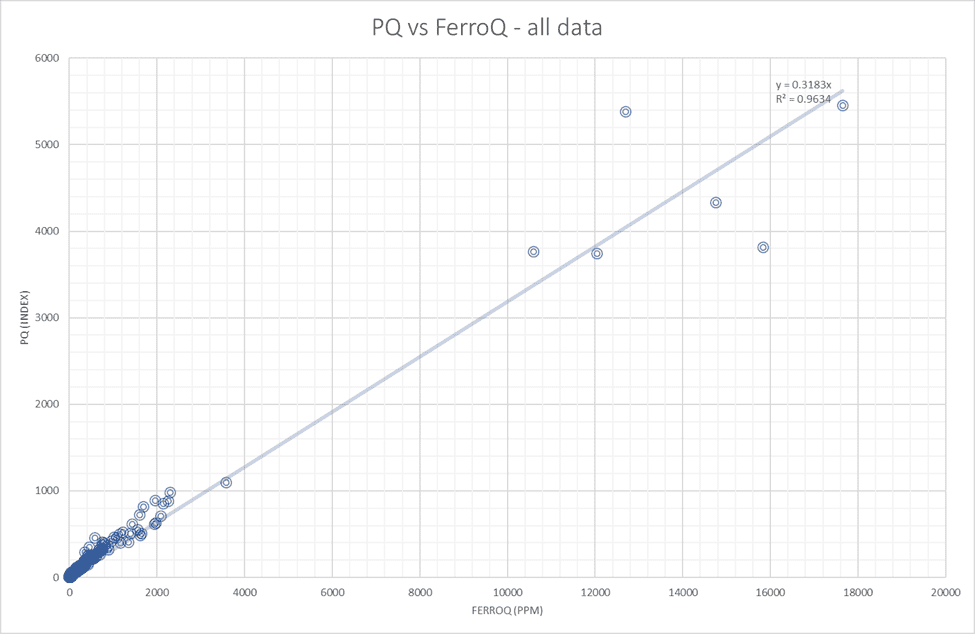
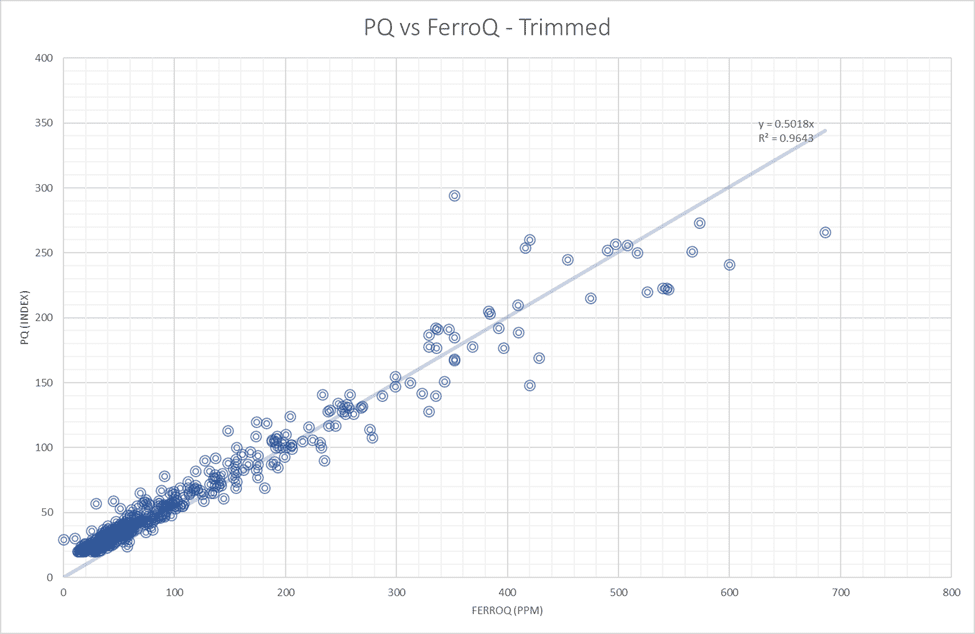
There is a desire in some laboratories to switch from the venerable PQ to the FerroQ. To determine this, 1291 comparisons were made.

Using all data did show that above 1000 PQ™ Index the data did have a skew. This is likely the effect of PQ™ does nor analyze the whole sample.


Removing this data shows a definite correlation between the two methods:

In summary, the FerroQ technology shows that it will perform similarly to the PQ technology. This coupled with the FerroQ having NIST traceable standards, reporting in mg/kg, and analyzing the entire sample (as opposed to only the bottom) that it may be a superior method to the venerable PQ.

Proven Impact. Proven Uptime. Proven Savings.

Let us prove it to you.

Published March 21, 2024


Analysis Keeps Compressor Components in Top Shape

Seeing Proven Savings: One Report at a Time

Fluid analysis is a powerful tool in the preventive maintenance toolbox of many equipment and maintenance managers in industries ranging from construction to aggregates to mining to marine. Efficiently managed programs provide considerable benefits that translate directly into maintenance cost savings for industries who rely on the operation of their equipment.

When operating equipment, it’s inevitable to see some wear as the machine operates overtime. One of the most valuable advantages of fluid analysis is detecting early signs of wear within equipment by analyzing wear particles within the oil.

Saving $80,000 in Engine Replacement Cost

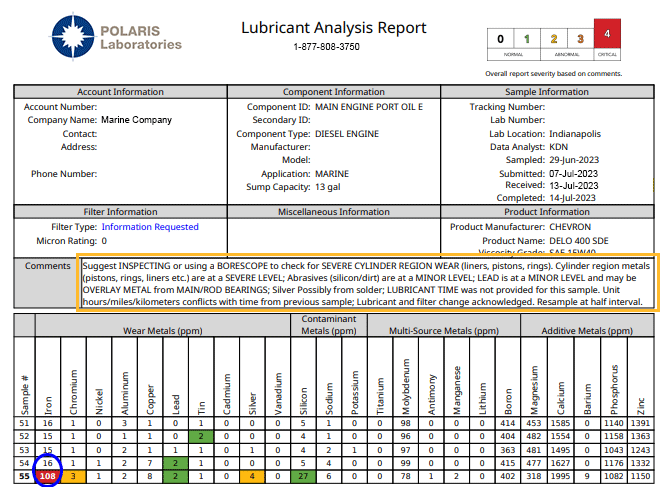
One of POLARIS Laboratories® customers in the Marine industry was able to save the entire replacement of an engine by performing recommended actions on a high severity lubricant analysis sample report. After collecting an oil sample during a break in the oil change schedule, the company’s sample report returned at a high severity. The recommended maintenance action based on the test results and interpretation was to borescope the cylinders, in which the team observed scoring on the cylinder liners.

Report showing high levels of iron with a recommendation to check cylinders

While continuing to investigate the concern, it was observed that the bottom of the engine piston crown showed signs of deterioration. After discovering this, a strategic maintenance decision was made to replace all six pistons, liners and connecting rods.

As the company shares this story with POLARIS Laboratories®, it was noted that there were no other condition monitoring indications or alarms that showed there was an engine issue – the concern was only identified based on the test results and recommendations on the lubricant analysis sample report. Without the sample report indicating abnormal wear and suggestion to evaluate the cylinders, the problem would not have been identified and would have led to a total engine loss and $80,000.

Avoiding Lost Production, Downtime and $260,000+ in Engine Loss

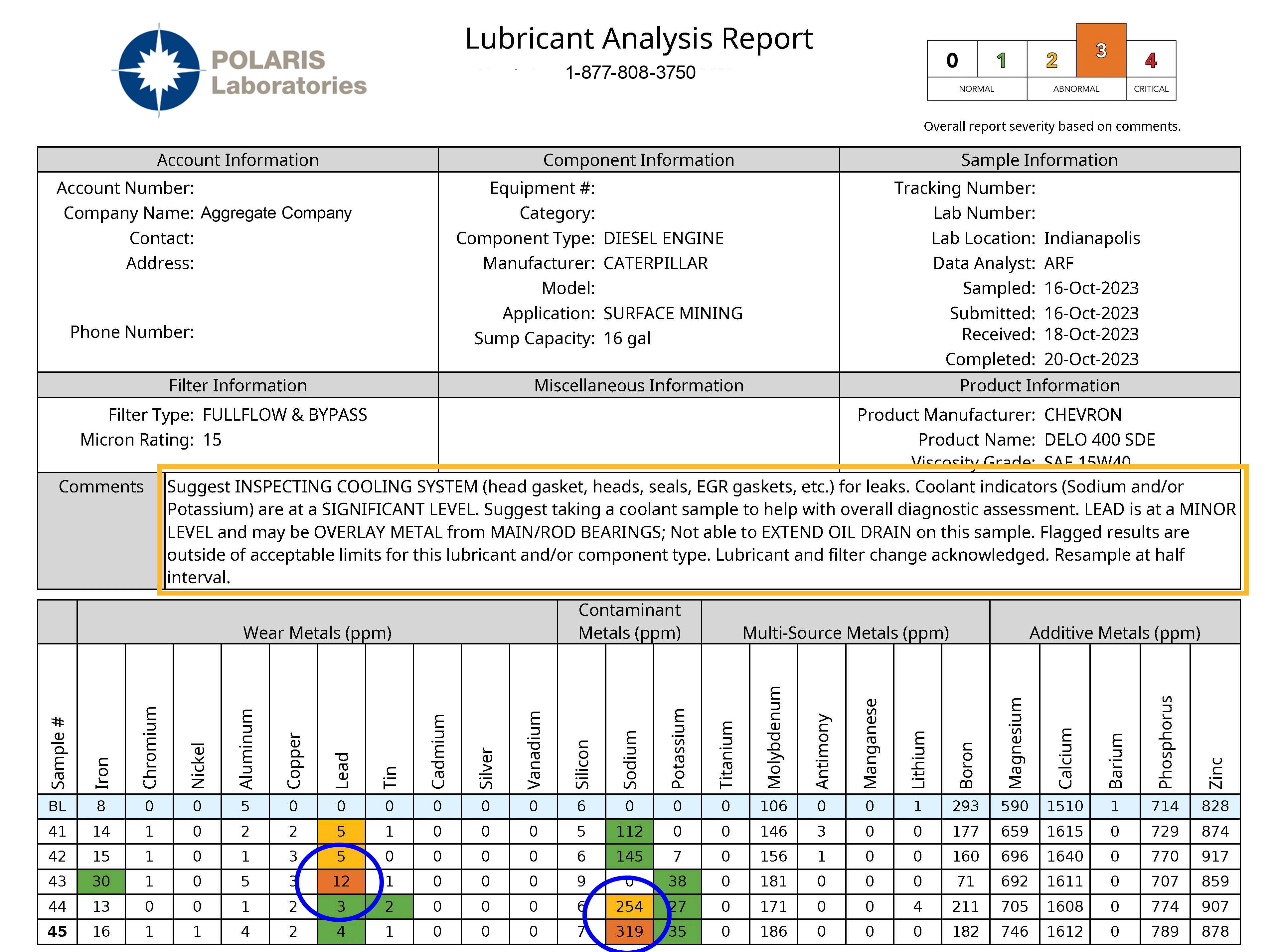
For a POLARIS Laboratories® customer in the Aggregates industry, equipment downtime can be detrimental to production, customer satisfaction, labor costs and operations. The company had coolant analysis report came back indicating a high freeze point which, if not addressed, would have caused the engine block to freeze resulting in a complete engine replacement of $135,000 (this does not include the downtime if the asset was out of production for repairs).

In another instance, the company was able to avoid a full axle rebuild that would have cost $50,000 by addressing a simple issue and replacing the oil after a lubricant analysis report came back with results indicating a leak in the axle which had resulted in dirt contamination causing wear.

Report showing high levels of sodium with a recommendation to check cooling system for leaks

A very recent equipment save through oil analysis for the company involved receiving a report back that indicated high levels of lead. The team was able to proactively replace the NRS coolers before the engine could experience failure – a failure that would have cost the company $75,000 to repair, plus the additional downtime loss.

Fluid analysis is a proactive, preventive, predictive and cost-effective condition monitoring tool proven to minimize unexpected and un-budgeted maintenance costs by detecting signs of early wear and contamination. Through interpreting test results and maintenance recommendations provided by the data analysts, maintenance and equipment managers can take action before failure even has a chance.

Proven Impact. Proven Uptime. Proven Savings.

Let us prove it to you.

Published November 14, 2023