

Establishing Goals

Recently I visited a mine that was interested in setting up a new account with POLARIS Laboratories®. One of the first questions I asked was, “What are the goals of your program?” I can’t say I was overly surprised when there was a moment of silence and pondering. While many of us realize there are benefits in performing fluid analysis, and know we want to be involved in a program, we seldom consider all the potential capabilities that a program can offer.

So why is establishing goals important? When many of us first started using fluid analysis, especially in mining, our goal was to simply monitor the health of the components and do what we could to prevent a catastrophic failure from occurring. After all, who wants to lose a core on a $300,000 engine and have an unplanned unscheduled service event happen? No one looks forward to explaining these events to upper management.

Today’s oil analysis capabilities offer a great deal more than just monitoring component health. With today’s technology and performing the proper test, we can monitor the condition of the oil, see if it is suitable for continued use, reduce the amount of used oil disposal, adjust our maintenance intervals and strategies, adjust component replacement schedules, improve forecasting and budgeting and increase component life hours. We have not even begun to touch on other benefits, such as coolant and fuel testing.

However, accomplishing these goals may require additional testing, which costs more. Can you afford not to?

I would like for you to consider a recent case study conducted by POLARIS Laboratories®. Customers who were actively involved in their fluid analysis program realized a 25:1 return on investment – for every dollar spent on fluid analysis their return was 25 dollars! In many of the studies, specific to mining, the return was as high as 40:1!

Have you considered the cost savings if you could double your oil drain intervals? The savings go way beyond the cost of the oil. Think about the savings in maintenance man-hours, the increase in equipment availability and utilization, the reduction in waste disposal. What would be your savings if you could increase component life hours by just 50 percent or prevent that next catastrophic failure from occurring?

Goals, my friends, are so very important to establish. If you do not establish these goals upfront and do not have the appropriate testing set up to match these goals, your program will never reach its full potential. If goals and testing do not match, one of two things are going to happen: You are paying for testing that you do not need, or the very test you are paying for will not help you meet your goals. Goals change, and therefore your testing may need to change with it. Even if you have an established, mature testing program in place, today may be the day to take another look and ensure the testing you are paying for is everything you want it to be.

If you need assistance setting realistic, achievable goals for you oil analysis program, feel free to contact us to get moving in the right direction.
Proven Impact. Proven Uptime. Proven Savings.
Let us prove it to you.
Published August 27, 2014

Experience Yields Proven Results


Have you ever faced a moment in your fluid analysis program where you needed expert help to solve a problem? It can be hard to find someone with up-to-date, firsthand knowledge of both your industry and the equipment you are using. Thankfully, POLARIS Laboratories® can help.

For more than 30 years, my career was in heavy equipment maintenance and maintenance management. I have been using oil analysis since 1983; however, it was not until I was employed in the mining industry that I really gained the appreciation of the many benefits that a quality oil analysis program could offer, including some I simply was not familiar with before.

I’ve worked at all levels: The mechanic that pulled the samples, the maintenance planner that reviewed the results, the QA/QC coordinator that looked for improvements, the business improvement team leader and as a member of a global mining heavy equipment users group that developed best practices and policies. I like to think during that time I developed a true understanding of fluid analysis from hands-on all the way up to the strategic level.

Just like all of the members of our Field Services Team, I combine my “customer” experience with my understanding of POLARIS Laboratories® various tests and capabilities to recommend a test combination to best match the customer’s goals. Whether it’s over the phone, in a conference call, or at one of our private trainings, you can rest assured that we have your best interest in mind, both as your fluid analysis provider and as someone who used to turn wrenches and wade through a pile of reports.

This mixture of experiences, I believe, has allowed me to gain a unique perspective of managing a quality fluid analysis program, and this new career path has given me a greater insight into the world of fluid analysis. I have now had the opportunity to see and work with the laboratory and gain new perspectives and I am excited for the opportunity to share this with you.

Proven Impact. Proven Uptime. Proven Savings.
Let us prove it to you.
Published August 8, 2014

Testing Extended Life Coolants

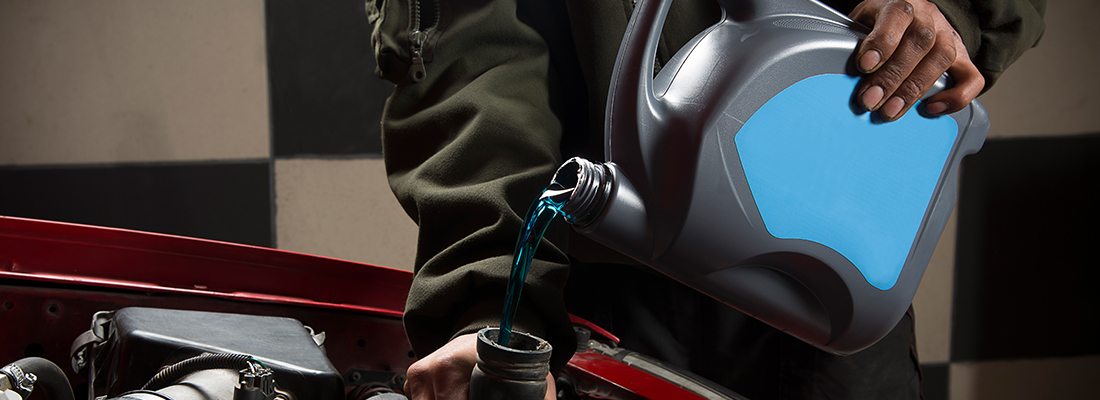
I can’t tell you how many times I’ve heard coolant marketers, OEMs and customers alike say, “There’s no need to test the coolant. We use an ELC.” Extended life coolants, or ELCs, are designed to be more stable, require no supplemental coolant inhibitors and last longer than conventional coolants. However, that doesn’t eliminate the need for coolant testing.

Fluid design won’t prevent or correct many of the problems affecting cooling systems. Mechanical issues, such as combustion gas leaks, air leaks, localized overheating and hotspots or stray electrical grounding, can chemically affect or destroy the coolant and its inhibitors. Once the chemical change occurs, the coolant can attack the metals and components in the system, causing premature failure. Mechanical problems affect conventional and extended life coolants equally, and neither fluid formulation will fix the root cause of the problem.

Coolant contamination is the result of poor maintenance practices and air leaks. Depending on how they affect the pH, contaminants are either going to form acids or alkaline scale in coolants. The acid will corrode or pit cooling system components, degrade hoses and seals and deplete inhibitors and/or additives. Scale affects the oil side of an engine by decreasing the efficiency of heat transfer, which can lead to cracked heads, ring/cylinder wear or bearing wear. Coolants are affected by these problems whether they are conventional or an ELC, and the fluid cannot fix the root cause.

Coolant mixing is another reason why regular fluid analysis is needed for ELCs. With all of the different coolant formulations available today, coolant mixing is a huge issue in the industry. If an incompatible formula makes up more than 25 percent of the total coolant, the inhibitors from both formulas will be too diluted to protect the system, and serious corrosion can occur. Different OEMs use different coolants, so it is easy for fleets with several different brands to mix incompatible formulas together. Even if a fleet maintenance manager stocks the appropriate coolant formulas in the shop, this makes it even easier for maintenance personnel to add the incorrect coolant to a system. This can result in huge maintenance costs from corrosion issues, and this time, the problem is made worse by adding ELC formulas to the spectrum of coolants in stock.

The bottom line is no matter what coolant formula is used, mechanical issues, contaminants and coolant mixing will reduce the life of your fluid and can harm the cooling system and engine. Only regular laboratory coolant analysis can identify issues before damage has occurred. Our ELC test packages will evaluate the life remaining in these specialized formulas, identify if a problem has reduced the life of the coolant and provide maintenance recommendations to help you address the root cause of the problem.

Interested in adding coolant analysis to your maintenance program? Contact us today and we will be in touch with you shortly!

emily-featherston

Proven Impact. Proven Uptime. Proven Savings.
Let us prove it to you.
Published June 4, 2014

Fluid Analysis Is Greener than You Think


We should all be aware of the impact we as humans have on the environment and want to protect our vital resources for future generations. The world population continues to grow, and for growth to be sustainable we must use less virgin products and capture more what we use for reuse. This is one of the reasons why I’m proud of the impact POLARIS Laboratories® has on the environment.

The fluid analysis industry helps our customers conserve natural resources. We provide customers with information about the remaining useful life of the fluids so they can use their lubricants and antifreeze to the fullest. These extended drain intervals allow the customers to go much farther than the manufactures’ recommendations in some cases. This saves the energy, raw materials and pollutants needed to produce new fluids and reduces millions of gallons of used oil and coolant needed to be disposed of.

In addition, the testing extends the life of the equipment itself. By taking action on the recommendations made by our data analysts, our customers prevent wear and reduce the chances of catastrophic breakdown. They get more miles traveled, hours of productivity and tons moved from their equipment than without our maintenance recommendations. Simply put, engines, transmissions and hydraulic systems last longer. The amount of steel and other metals no longer needed to make replacement equipment is staggering.

While POLARIS Laboratories® helps the environment through our customers; we also do our best to reduce the environmental impact of the testing we perform. We use solvents, plastic, glass and cardboard during the fluid analysis process, as well as the fluids sent in for testing. These items can harm the environment if not handled properly, so we have set up procedures to handle and dispose of these products responsibly. Nearly everything we use can be recycled.

Proven Impact. Proven Uptime. Proven Savings.
Let us prove it to you.
Six Reasons Why Cooling Systems Need More Attention

It’s easy to think that coolant is separate from engines because it has its own system and fluid. But remember, your coolant flows through your engine and is just millimeters from the oil and fuel. For as vital as coolant is to the life of engines, it’s surprising how often it gets overlooked.

Here’s six reasons why coolants get overlooked and why that’s wrong:

          • It isn’t changed as often as oil. Oil usually gets contaminated more quickly and needs to be changed, but coolant can be contaminated just as quickly.
          • I use an extended life coolant. ELCs can be contaminated just as quickly as conventional coolants.
          • I’ll just change the coolant every fall or spring. Conventional coolants can last two years and extended life coolant formulations can potentially last five or six years. In addition, changing the coolant will just mask some problems instead of fixing what caused the problem.
          • All coolants are the same. Cooling systems have changed dramatically in the last 30 years and coolants have transformed with them. OAT, HOAT and NAPS formulas have joined conventional coolants, and mixing them together can make both coolants less effective.
          • If something’s wrong, I’ll just drain and flush the system. Some coolant/engine problems cause corrosion, deposits, pitting and erosion that can’t be fixed by flushing. One-tenth of an inch of scale alone has the same insulating capacity as three to four inches of cast iron.
          • The problem is in the engine, not the cooling system. About 40 percent of preventable engine failures are caused by problems initiated in the cooling system. The damage might show up in the engine or the oil, but the root cause can be traced back to the cooling system or the coolant itself.

This is just the tip of the iceberg of how cooling systems and coolants are misunderstood. Our Practical Cooling System Maintenance Training class dispels the remaining myths while training you to use analysis data to discover what’s happening in your engine. Want to get started today? Watch my short video to start solving your coolant mystery today.

Proven Impact. Proven Uptime. Proven Savings.
Let us prove it to you.
Published April 24, 2014

Getting What You Need from Diesel Fuel Analysis


Just like oil and coolant analysis, diesel fuel analysis makes sure the fluid has properties that allow the equipment to operate when needed and isn’t contaminated with a substance that will reduce the operational efficiency.

Unlike oil or coolant, diesel fuel analysis is unique because testing happens most often while the fluid is in bulk storage or upon delivery. Coolant and oil properties degrade due to continued operation of their systems, whereas diesel fuel picks up contaminants during shipping, degrades over time or grows biological organisms as it sits in storage.

Many of our customers will send in a diesel fuel sample because they’ve noticed performance or a maintenance event – smoking, power loss and clogged fuel filters are all commonly associated with fuel problems. The symptoms will determine what tests to run on the fuel sample, and the results will prescribe the corrective action needed to make the fuel usable again.

However, reactive testing isn’t the most efficient use of diesel fuel analysis because the company will still experience equipment downtime and repair costs. Proactive testing, such as pulling fuel samples from incoming shipments, day tanks or long-term storage tanks, will identify fuel problems before they can affect equipment availability.

To find the diesel fuel test package that’s right for you, please review our diesel fuel quality and diesel fuel cleanliness solution sheets or contact us with your reason for testing diesel fuel.

Proven Impact. Proven Uptime. Proven Savings.
Let us prove it to you.

Published April 16, 2014

Take Advantage of the HORIZON Technical Library

Are you having problems finding technical information on fluid analysis? Would you like information on standards for oil, coolant, and fuel? Do you need documentation on HORIZON training? This can be found in the new Technical Library. We have a new layout, new content, and new location – in our web-based application, HORIZON®. The new library was reorganized by subject matter to make it easy to find the documents. Also, storing it right in HORIZON means customers don’t have to leave the application to get the information they need.

POLARIS Laboratories® has accumulated a deep understanding of tribology and other fluid analysis expertise, and much of that knowledge has been captured over the years in our technical bulletins. Some are basic, such as instructions on how to pull an oil sample, but many dive into the nuances of fluid analysis.There are documents about the differences between testing for acid number or base number, how coolant formulations differ, and the ASTM methods related to biodiesel. The Library also has sections with instructions on how to use HORIZON features and thought-leadership pieces to improve fluid analysis programs.

The new library is just one of the ways POLARIS Laboratories® is making it easier for our customers to improve their maintenance and reliability programs and save money in the end. To access the technical library, log in to HORIZON, and click on the Technical Library Tab.

Proven Impact. Proven Uptime. Proven Savings.
Let us prove it to you.

Published April 8, 2014

Performing a Program Review


Today I want to get into the nuts and bolts of the review and what to do with the results.

First of all, reserve at least 1 hour of uninterrupted time for the review. Make sure you invite key personnel to attend and everyone is prepared. 

An effective program review will provide answers to the following questions:

        1. What are the goals of the review?
        2. Is your equipment list up to date?
        3. Is your fluid information up to date?
        4. If you test both lubricants and coolants, are you using both sets of data to see if an issue in the cooling system is affecting the lubrication system?
        5. Is the total number of samples increasing or decreasing?
        6. What information did you discover during the review?
        7. What action will you take to resolve problems?
        8. When will you perform the next review?

Make sure everyone leaves the review with a clear expectation of what needs to happen in the future and when it needs to be accomplished. Write down notes from the meeting, assignments and deadlines.

Performance reviews can be a lot of work, but the process can push a fluid analysis program to the next level. If you need assistance setting up a program review, have questions for the Field Services Team or just want to share the results of a successful review, please contact me. I look forward to hearing from you!

Proven Impact. Proven Uptime. Proven Savings.
Let us prove it to you.
Taking Action On Maintenance Problems Pays

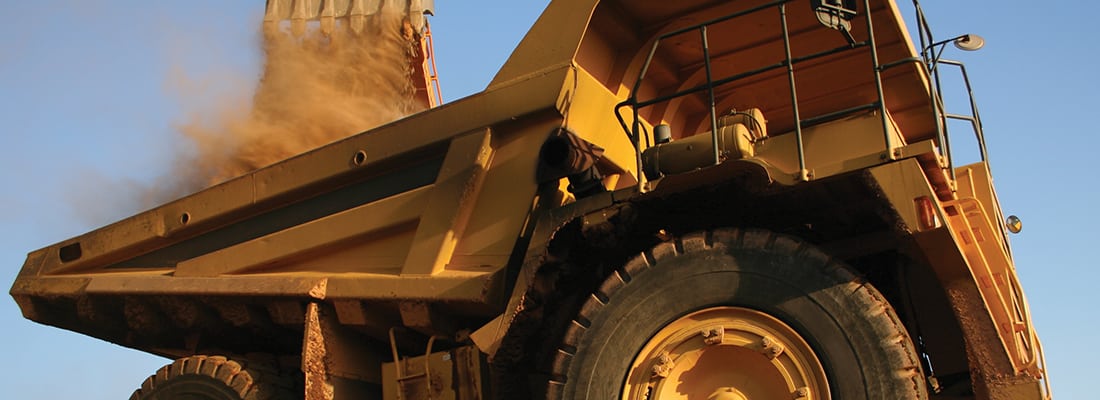
Fluid analysis program reviews can identify root causes of common breakdowns in order to help maximize their fluid analysis investment. Usibelli Coal Mine implemented process changes after their program review which produced compelling, business-improving results. The company is taking action on more recommendations, the number of components with severe problems is dropping and more units are being adequately sampled.

Prior to the program review, Usibelli did not consider contamination to be a contributor to their maintenance issues. POLARIS Laboratories® conducted a fluid analysis audit of the company and discovered several system wide problems that allowed contamination into the lubrication, which led to equipment wear.

Read the Full Case Study


Evaluating the Effectiveness of Your Fluid Analysis Program


Every day I consult with companies about their fluid analysis programs. The majority of them know they could do more to maximize the benefits, but they don’t know all of the different things they can improve or how much it will help them.

Here are the 10 questions we ask our customers to find out how effective their fluid analysis program is.

          1. Has a complete equipment list been compiled and sent to the lab?
          2. Have you set definable and measurable goals for your program?
          3. Has the proper testing regime been selected for each unit type?
          4. Have your personnel received training on proper sampling techniques?
          5. Are samples taken in a timely manner and at consistent intervals?
          6. When maintenance is recommended by the lab, are work orders issued for maintenance or other diagnostics?
          7. How do you evaluate the effectiveness of your program?
          8. How do you evaluate cost savings attributed to your fluid analysis program?
          9. What are the qualifications of the lab you have selected?
          10. Does your current program have immediate access to your data?

If you don’t have an answer for each of those questions, you are most likely not getting what you could out of your fluid analysis program. Contact us today to set up a full, onsite Fluid Analysis Program Assessment so you can achieve all of the financial benefits of a world class fluid analysis program.

Proven Impact. Proven Uptime. Proven Savings.
Let us prove it to you.
Published March 4, 2014