Seeing the Unseen: Advancing Microscope Wear Analysis
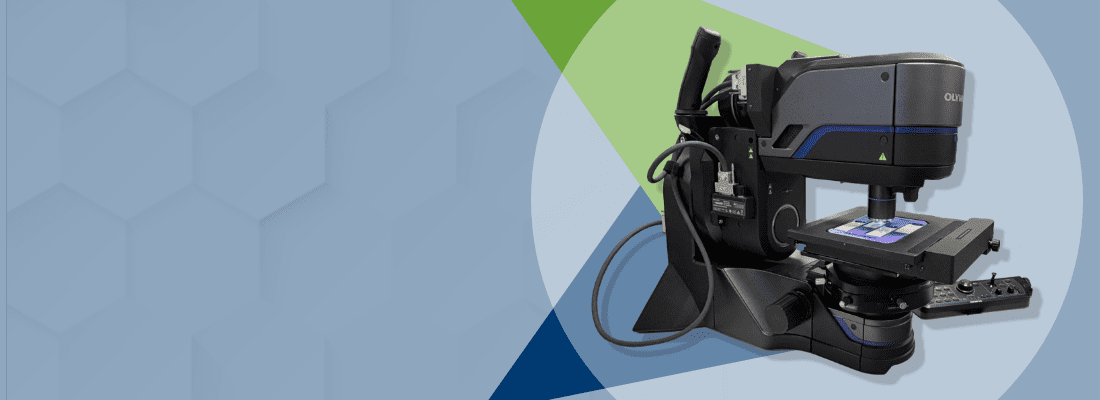
At POLARIS Laboratories®, precision and innovation drive everything we do, especially when it comes to helping customers understand what’s happening inside their equipment. We’ve recently expanded our analysis capabilities with the addition of the Olympus DSX1000 Digital Microscope, a powerful tool that enhances our ability to detect, analyze, and document wear debris consistently across all our global laboratories – something you won’t get with other laboratories.

Elevating Microscopic Analysis Capabilities

The Olympus DSX1000 delivers unmatched magnification, clarity, and automation, allowing our data analysts and reliability experts to visualize the smallest wear particles with extraordinary detail. With up to 9,637x magnification, this technology captures what traditional microscopes can miss and gives customers a more complete picture of component wear and overall fluid cleanliness.

The advanced microscope allows for consistent, high-resolution imaging across every sample we test and analyze. This automation not only speeds up analysis time but also ensures repeatability and accuracy, both critical factors when trending wear patterns or investigating abnormal test results.
Connected Technology & Global Consistency

Thanks to its PRECiV unified imaging software, the DSX1000 seamlessly connects every POLARIS Laboratories® location worldwide. Samples can be scanned with the microscope at our headquarters laboratory in Indianapolis and reviewed and interpreted by reliability analysts at any of our seven global laboratories. This feature enables remote collaboration, faster training, and a consistent interpretation of results across the globe.

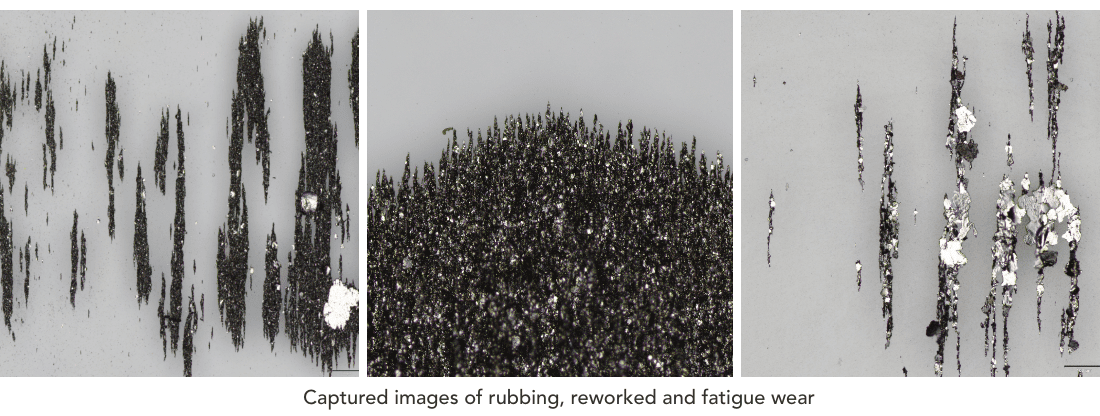
This connectivity also supports global standardization in testing methods like Analytical Ferrography, Micropatch, and Photomicrograph Analysis. Customers benefit from the same advanced imaging, precision, and reliability, no matter which lab processes their samples.
Beyond the Numbers: Telling the Story

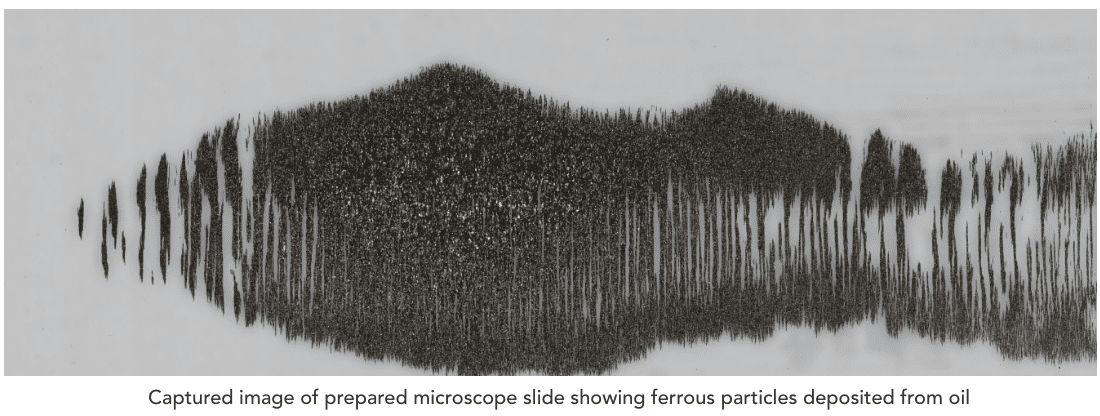
While fluid analysis provides the data, microscopic analysis tells the story. The DSX1000’s multiple observation modes, like Brightfield, Oblique, Darkfield, Mixed, and Polarization, help analysts reviewing the images distinguish between particle types, identify ferrous wear, and investigate sources and failure modes. This level of detail allows for more accurate root cause analysis (RCA), helping customers make confident maintenance decisions based on clear, visual evidence.

The result? Earlier detection of wear, more reliable diagnostics, and greater confidence in making critical decisions.

Raising the Bar for Reliability

By integrating this advanced microscope technology into our global operations, POLARIS Laboratories® continues to lead the industry in delivering data you can trust and insights you can act on. The DSX1000 doesn’t just enhance our testing capabilities, it strengthens the connection between the laboratory and your maintenance team, helping you protect assets, extend component life, and improve overall equipment reliability.

Published November 13, 2025

Coming Soon: Ferrous Debris Analysis with FerroQ

Out with PQ, in with FerroQ.

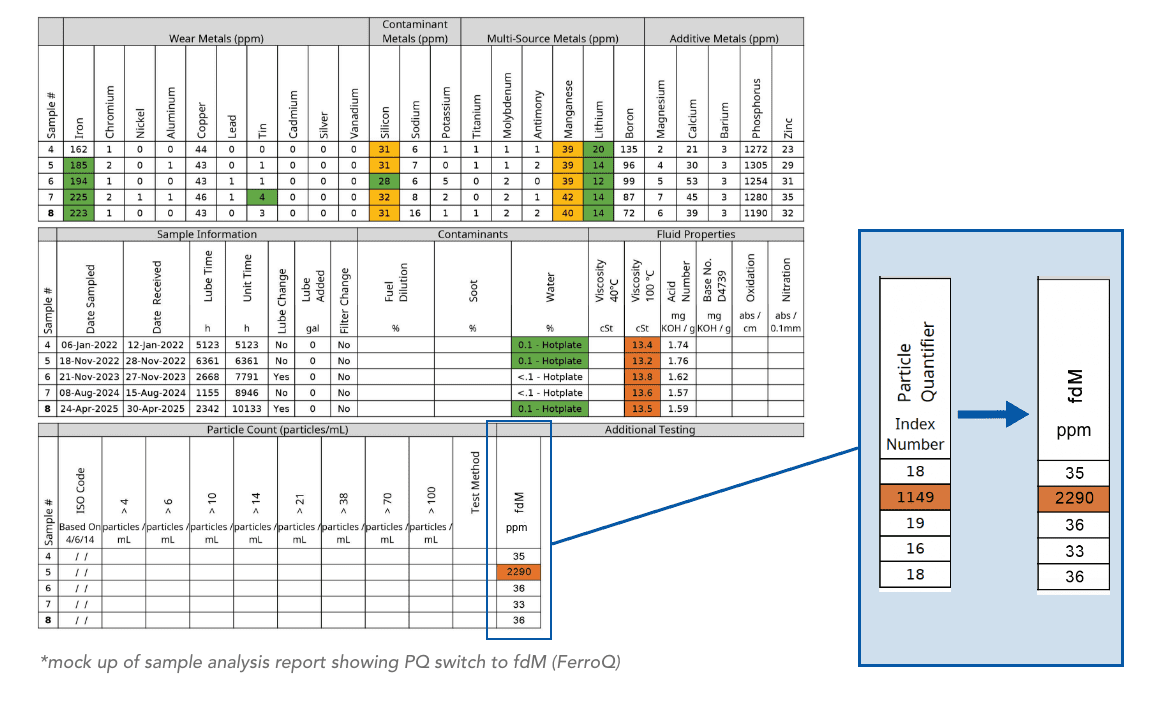
Starting September 11, 2025, POLARIS Laboratories® will transition all of our laboratory facilities from the PQ™ (Particle Quantifier) test method to the more advanced FerroQ™ instrument for ferrous debris analysis. This upgrade applies to both oil and grease sample testing and marks a significant improvement in how wear-related ferrous debris is measured, interpreted and reported.

To learn more about different types of wear, ferrous debris and tests performed to measure it, watch the webinar Ferrous Debris 101: What Your Lubricant is Telling You:

Enhanced Ferrous Debris Analysis with FerroQ

Instead of results reported in PQ Index (a unitless number), results will be reported in parts per million (ppm) on analysis reports delivered to customers. This change delivers greater accuracy, improved trendability and more reliable data for identifying wear and making informed maintenance decisions.

Why the change?

The FerroQ™ method provides a clearer, more quantifiable picture of ferrous contamination, making it easier to detect early-stage wear and better predict component failure. It also enhances consistency across sample reports and allows for easier integration with maintenance data systems.

For more technical information related to ferrous debris, testing limitations and particle debris measurement, read the blog Assessing Methods to Analyze Particles: PQ vs FerroQ or view the Technical Bulletin PQ vs FerroQ.

As your fluid analysis laboratory and reliability partner, our goal is to help you make smarter data-driven decisions based on the most reliable results and the FerroQ™ is the next step forward. Customers can expect to receive additional communication when the change goes into effect in the coming months.

If you have any questions, please contact service@eoilreports.com.

Uptime Isn’t Optional Back It with Fluid Analysis

For mission-critical power generation, backup systems and data centers, equipment uptime is not optional, it’s required.

A Silent Shield: Protect Mission-Critical Assets

To monitor component and fluid health, natural gas generators, hydraulics and standby generators need routine fluid analysis testing. Wear and tear can happen inside the equipment and, without warning, can cause serious, costly downtime for your operation, and your customers.

Whether you’re generating prime power that keeps the world moving, maintaining critical standby generators for hospitals or providing backup power for data centers, adding additional fluid condition monitoring to your maintenance means increased reliability and ease of mind.

Ensuring Backup Power is There When You Need It

When it comes to standby generators, it’s critical to routinely monitor the equipment for ease of mind in case of emergencies. To see the full picture and make data-driven maintenance decisions, we recommend testing oil, coolant and diesel fuel together, routinely. POLARIS Laboratories® offers a custom test suite which includes the complete fluid analysis you need.

Click here to view the recommended components to test and recommended testing for each.

Interested in learning more about fluid testing and analysis to optimize power generation equipment? Contact our team today

Published May 19, 2025

2025 Reliability Summit

POLARIS Laboratories® Announces 2024 Fluid Analysis Program Champion Awards

Each year, POLARIS Laboratories® honors exceptional customers for excellence in their fluid analysis programs. These awards signify program excellence, significant improvement efforts, impactful maintenance actions taken and appreciation of the dedicated work put into the programs.

This year’s finalists will be recognized at the 2025 Reliability Summit, the annual fluid analysis and reliability-focused conference powered by POLARIS Laboratories®, on October 7, 2025, in Indianapolis.

“A program champion plays a vital role in the success of a fluid analysis program, acting as the bridge between mechanics, management and the laboratory while driving the program’s adoption and implementation. It’s inspiring to witness the dedication these champions and maintenance teams bring to their programs. Congratulations to this year’s finalists!” – Randy Clark, POLARIS Laboratories® Manager of Reliability.

POLARIS Laboratories® awards Calfrac Well Services Ltd, as the Tier II Winner and NYC Ferry, operated by Hornblower, as the Tier I Winner of the 2024 Fluid Analysis Program Champion Award. Kokosing Construction Company and Flywheel Energy are named Tier II and Tier I Award finalists, respectively. To hear words from the program champions themselves, click below.

View the Calfrac Well Services Ltd Fluid Analysis Program Champion Award Video

View the NYC Ferry, operated by Hornblower, Program Champion Award Video

View the Kokosing Fluid Analysis Program Champion Award Video

View the Flywheel Energy Fluid Analysis Program Champion Award Video


View the full press release

Revolutionized Maintenance Training at INTEGRATE

Where can you find education and training designed to give you the tools you need to see success along your reliability journey?

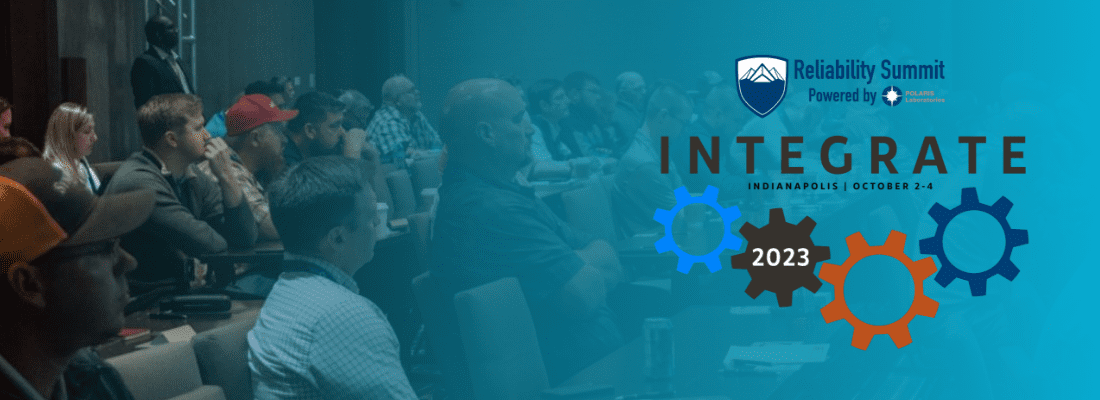
The answer: at the 2023 Reliability Summit | INTEGRATE. 

We’ve revolutionized our annual maintenance training conference to provide all-encompassing training on every aspect of your fluid analysis program. From expanding your use of the HORIZON® platform, to understanding how to grow your program, learning how sampling can be made easier, to increasing understanding of result interpretation, to eliminating silos by integrating fluid analysis data into your maintenance management system, INTEGRATE is the one place you need to be.

View this year’s line up of speakers and learning sessions

In one trip to Indianapolis in October, you and your maintenance teams can gain new ideas, insights and knowledge to kick your maintenance into high gear and see your reliability program reap the benefits of effective, impactful fluid analysis.

Gain New Perspectives

Not only will you gain education, but you’ll also gain new perspectives. During this 2-day exclusive event, hosted by POLARIS Laboratories® at The Alexander in Indianapolis, you’ll have the chance to:

  • Meet one-on-one with your account representative
  • Ask subject matter experts your questions
  • Learn what others are doing to improve their reliability program
  • Network with fellow maintenance professionals to learn and grow from their experiences

See Operations in Action

When you attend INTEGRATE, you get more than education through learning sessions, you get a first-hand look at not one, but two facilities through exclusive tours – and a chance to see inside POLARIS Laboratories’ headquarters laboratory in Indianapolis.

Cummins Augmented & Virtual Environmental Lab

Experience a tour of Cummins technical center and environmental lab and see what Cummins engineers and scientists are creating, testing and evaluating to prepare for the future of manufacturing. See processes and devices, including 3D printers, tomography x-ray systems and Cummins’ use of virtual reality.


U.S. Aggregates Facility & Mine Tour 

Get a glimpse of U.S Aggregates’ 460-acre facility and see a glimpse into their mining operations. See how U.S. Aggregates mines and processes limestone, while getting a first-hand look and feel of a raw material reduction with the use of explosives.


POLARIS Laboratories® 

This tour gives you a first-hand look inside our state-of-the art laboratory and headquarters facility in Indianapolis. From the time your sample hits the facility doors, to laboratory testing, to data analysis and customer support, and everything in between, this tour gives you an exclusive look into our laboratory daily operations.

These tours have limited spots, first come first served – register early if you want a seat on the tour. See the available tours and information here.

Discover New Solutions

Our annual training conference would not be possible without our event sponsors. We’ve teamed up with several industry solutions providers (lube manufacturers, filter solutions, sampling supplies, data integration) to give you tools to advance your programs and expand your maintenance practices. Each sponsor will have an exhibitor booth at the conference as well. Please feel free to stop by their booths to see what they have to offer your program!

It’s All Here in Indianapolis

I’ll leave you with this question, where else can you find lube manufacturers, OEMs, testing experts, reliability professionals, integration solution providers and everyone in between? At INTEGRATE October 2-4 in Indianapolis.

Sulfur Content in Diesel Fuel: Limits and Regulations

EPA Regulations and The Clean Air Act

Since the 1990s, diesel fuel quality has been an essential topic of discussion due to the increased regulations that the U.S. EPA has implemented over the years as a result of the Clean Air Act (CAA). One of the main goals of this Act was to set and achieve National Ambient Air Quality Standards (NAAQS) in every state. The 1990 CAA amendments were later revised to include the issuance of technology-based standards that require the maximum degree of reduction of emissions of hazardous air pollutants. New regulations meant engine manufacturers and diesel fuel producers would have to work together to determine how to meet the new standards best.

Effects of Emission Regulations on Diesel Fuel

The most easily attainable and regulated fuel property that the EPA regulated in the 90’s was sulfur content. Historically, ASTM standards have limited sulfur content to .5% (wt.). A few years later, in October 1993, a limit for Low Sulfur diesel fuel was introduced as 500 ppm = 0.05% (wt.) to facilitate the particulate sulfate reductions to meet the emissions standards.

Fast forward to June 2006, the maximum sulfur level in the U.S. was reduced to 15 ppm (Ultra Low Sulfur Diesel) for on road (highway) diesel engines and fuel supplies and was subsequently adopted by all nonroad, locomotive and marine (NRLM) diesel fuel and equipment in 2014. In addition, the regulations prompted engine manufacturers to deploy catalyst-based emission control devices, such as NOx absorbers and Diesel Particulate Filters (DPF), to meet new diesel emission tier standards.

Sulfur emission reduction has also been an important subject for the maritime industry. In 2010, marine standards that were previously exempt were further reduced from previous levels to 1,000 ppm within the Sulfur Emissions Control Areas (SECAs) for North America and the U.S. Caribbean Sea. In January 2020, new international rules put forth under the International Maritime Organization also reduced the global sulfur limit (outside SECAs) in marine fuels to 0.5% or 5000 ppm (down from 3.5%), and the change is expected to have a ripple effect throughout the fuel industry.

The U.S. Energy Information Administration (EIA) has noted that the change in sulfur limits has wide-ranging repercussions for the global refining and shipping industries, as well as petroleum supply, demand, trade flows and prices. From market disruptions from the COVID pandemic and today’s economic pressures on buying and selling bulk diesel fuel to meet demands, monitoring the sulfur content of your diesel fuel is still important decades after emission standards were implemented.

Reducing sulfur content in diesel fuel has placed a new demand on diesel engines and emission control systems in operation today. Factoring in the aging and foreign fuel supplies in circulation and storage, along with the ever-changing regulations means ensuring that equipment fuel supplies meet the required specifications is now necessary.

Check out our recommended testing for diesel fuels here.

Proven Impact. Proven Uptime. Proven Savings.
Let us prove it to you.

Published February 3, 2023

How to Ensure Optimum Performance of Wind Turbines

With the increase of greener energy production, wind turbines are playing an increasingly important role. It is vital that these energy producing turbines operate at optimum capacity for extended periods of time. To do this, a high level of equipment reliability is critical and, due to remote locations or access difficulties, all maintenance needs to be planned at optimum intervals to ensure maximum uptime and reductions in total cost of ownership (TCO).

The operating fluids inside a turbine, including lubricating oil in gearboxes and hydraulic systems, fluids used in cooling systems and greases all play a significant role in optimizing operation of the wind turbine. All of these operating fluids should be monitored closely to determine the condition of the fluid, identify contamination and measure the levels of wear metals generated within each system.

Monitoring conditions through routine fluid analysis allows you to avoid unplanned downtime and perform necessary maintenance based what is actually happening within the unit rather than on the hours in operation or calendar days. Planned, predictive maintenance will get you to optimum energy production.

See the recommended testing for power generation equipment here.

Proven Impact. Proven Uptime. Proven Savings.
Let us prove it to you.

Published January 5, 2023